
Comprehensive diagnostics of diesel engines
In this Article:
- 1. ElPower script - Analysis of hard starting diesel engine
- 2. CSS script - Cylinder power balance test
- 3. Testing the engine synchronization between Camshaft and Crankshaft sensors and diagnosing engine valve timing
- 4. Diagnostics of electromagnetic injectors (piezo injectors) using the CTi-50 current clamp
- 5. Engine diagnostics based on the cylinder pressure graph using the PSG200 diesel pressure sensor
- 6. Adapters for the pressure sensor PSG200
- 7. Diagnostics of diesel injection systems with a mechanical high-pressure fuel pump using clamp-on PD-6 piezo transducer
- 8. Best Forum with dedicated section about diesel engine diagnostics
- 9. Library of CKP and CMP signals synchronization of diesel engines
Autoscope Technology provide a comprehensive set of tools and scripts that enable technicians to quickly and accurately identify diesel engine problems.
This article explores key diagnostic methods using USB Autoscope, including the ElPower script for analyzing hard engine starting, CSS script for cylinder balance testing, camshaft-crankshaft synchronization tests, and in-depth injector waveform diagnostics.
Additionally, it covers advanced techniques such as analyzing cylinder pressure graph with the PSG200 diesel pressure sensor, using specialized adapters, and testing mechanical injection systems with the PD-6 piezo transducer. Together, these tools form a powerful approach to diesel diagnostics in both workshop and field settings.
1. ElPower script - Analysis of hard starting diesel engine
This script is used at many car service stations to analyze hard starting problem of a diesel engine at any time of the year.
This is especially relevant at low temperatures below 0 °C.
Within 3-5 minutes, you can check the characteristics and condition of:
- battery
- alternator
- starter
- glow plugs
- relative compression in engine cylinders
To perform the test, you need two signals:
- battery voltage
- current consumption measured using the CTi-1000 current clamp
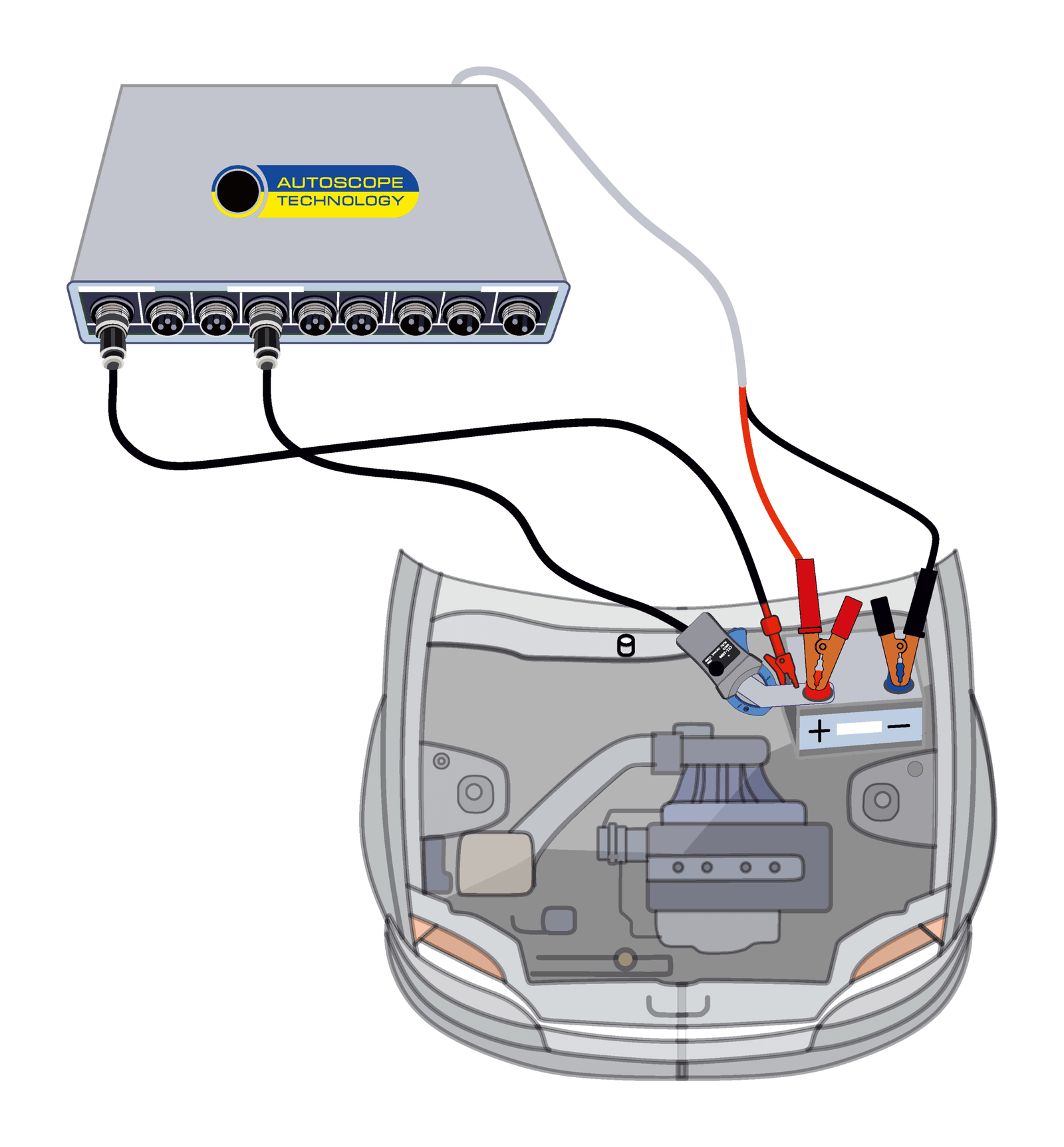
Figure 1. Connection to the vehicle battery to obtain voltage and current waveform
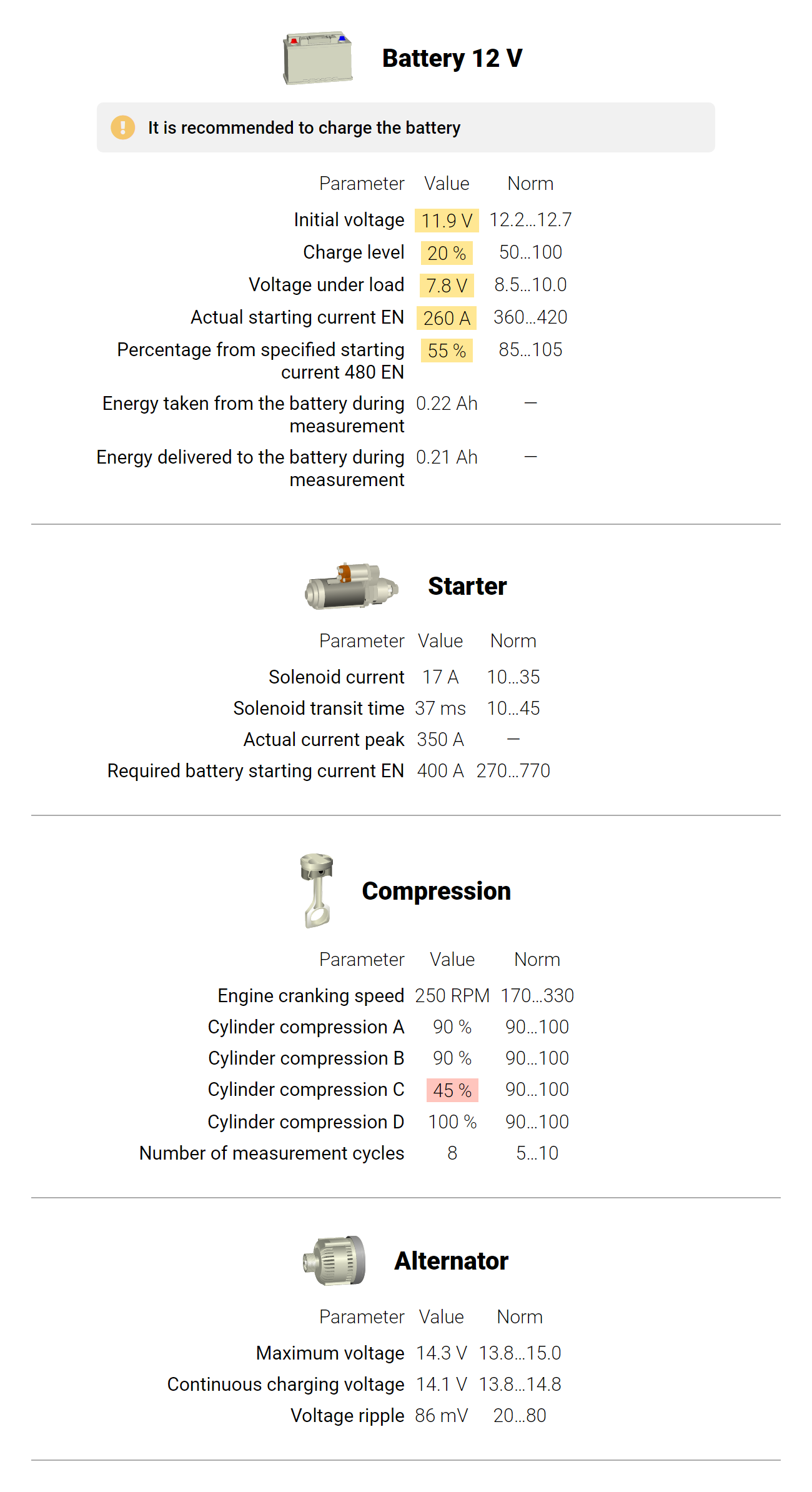
Figure 2. Measured vehicle parameters obtained using the ElPower script
Yellow background - measured parameters deviate from the norm.
Red background - measured parameters are outside the norm.
The report of the online version of the ElPower script algorithm may display the "Compression" tab
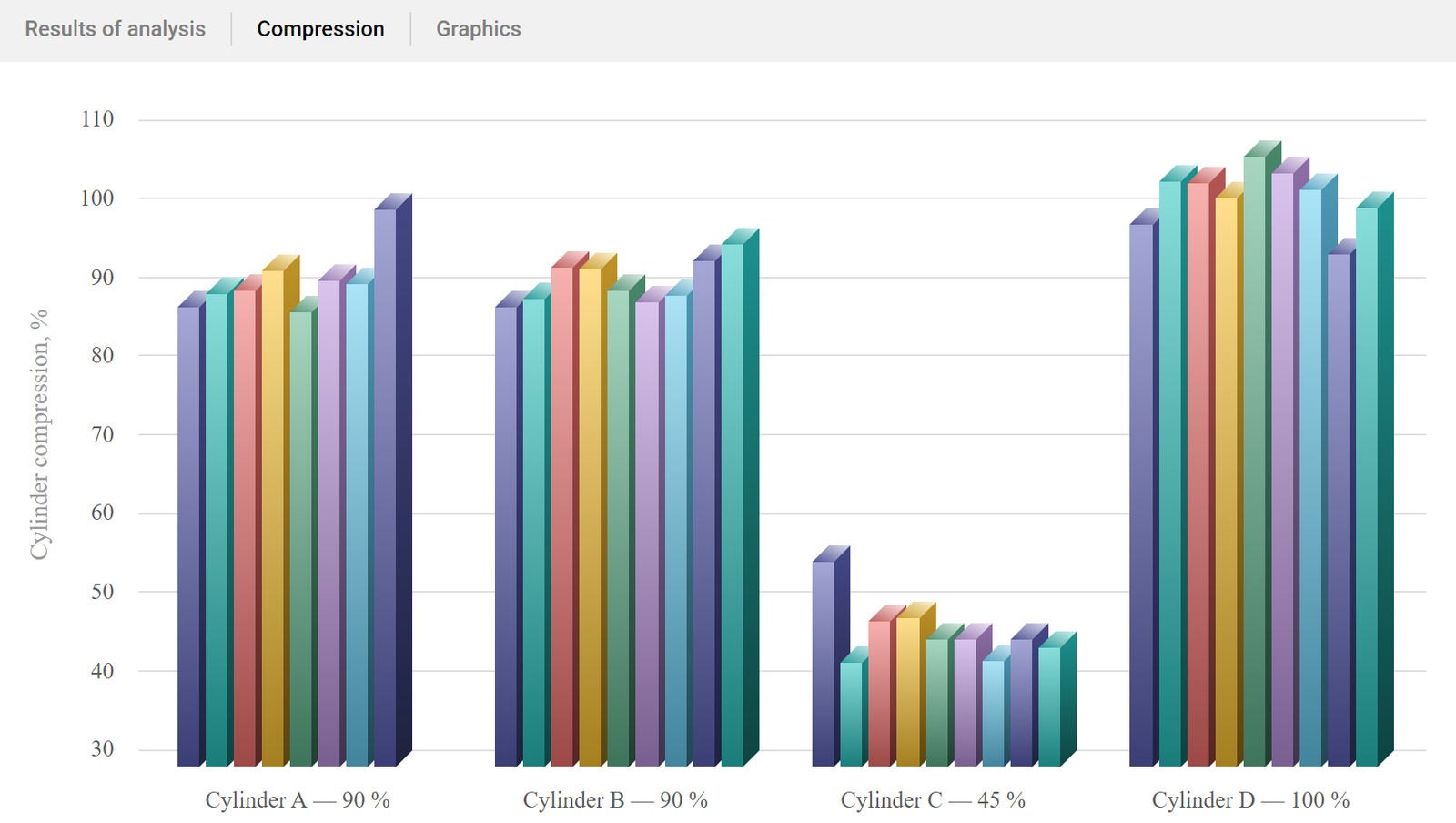
Figure 3. Relative Compression Test. Here, individual compression values by cylinder are displayed in the form of Bar graphs
2. CSS script - Cylinder power balance test
This test is simple and fast, without disassembling the engine and its systems, it identifies cylinders that are misfiring and indicates the area of origin of the malfunction.
The express diagnostics time does not exceed 3-5 minutes.
To test the CSS of modern cars, signals from the crankshaft position sensor and the injector control pulse are required.
There are two types of crankshaft position sensor: Hall sensor and inductive.
The injector control pulse can be measured using the CTi-50 current clamps.
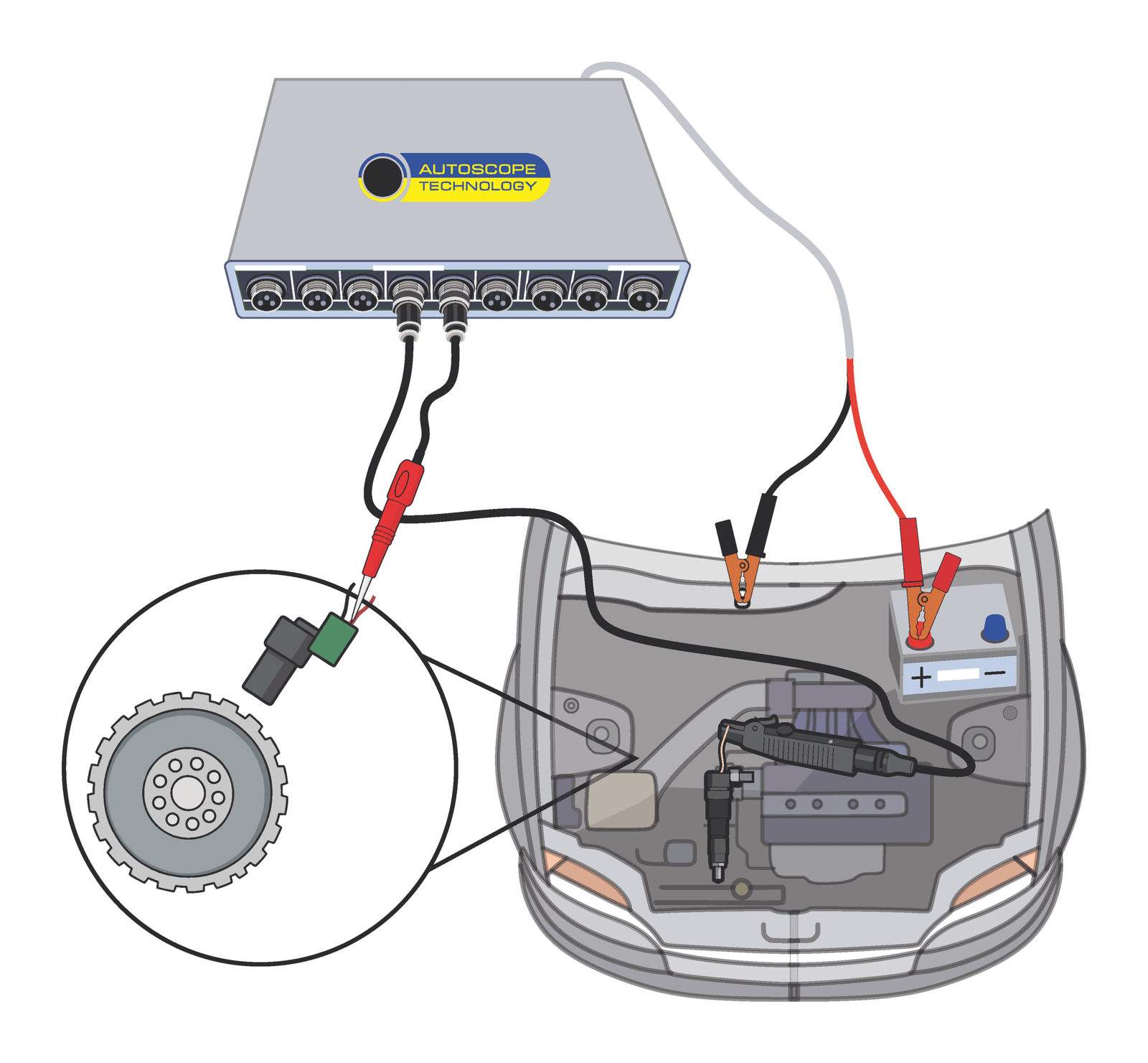
Figure 4. Connection to the crankshaft position sensor and injector control pulse
In a short time, you can check:
- condition of a fuel injection system (uniformity of fuel injector operation)
- condition of the mechanical system of a diesel engine (filling the cylinders of an internal combustion engine with an air-fuel mixture)
- evaluate static and dynamic compression in the cylinders
- defect detection of a diesel engine timing gear
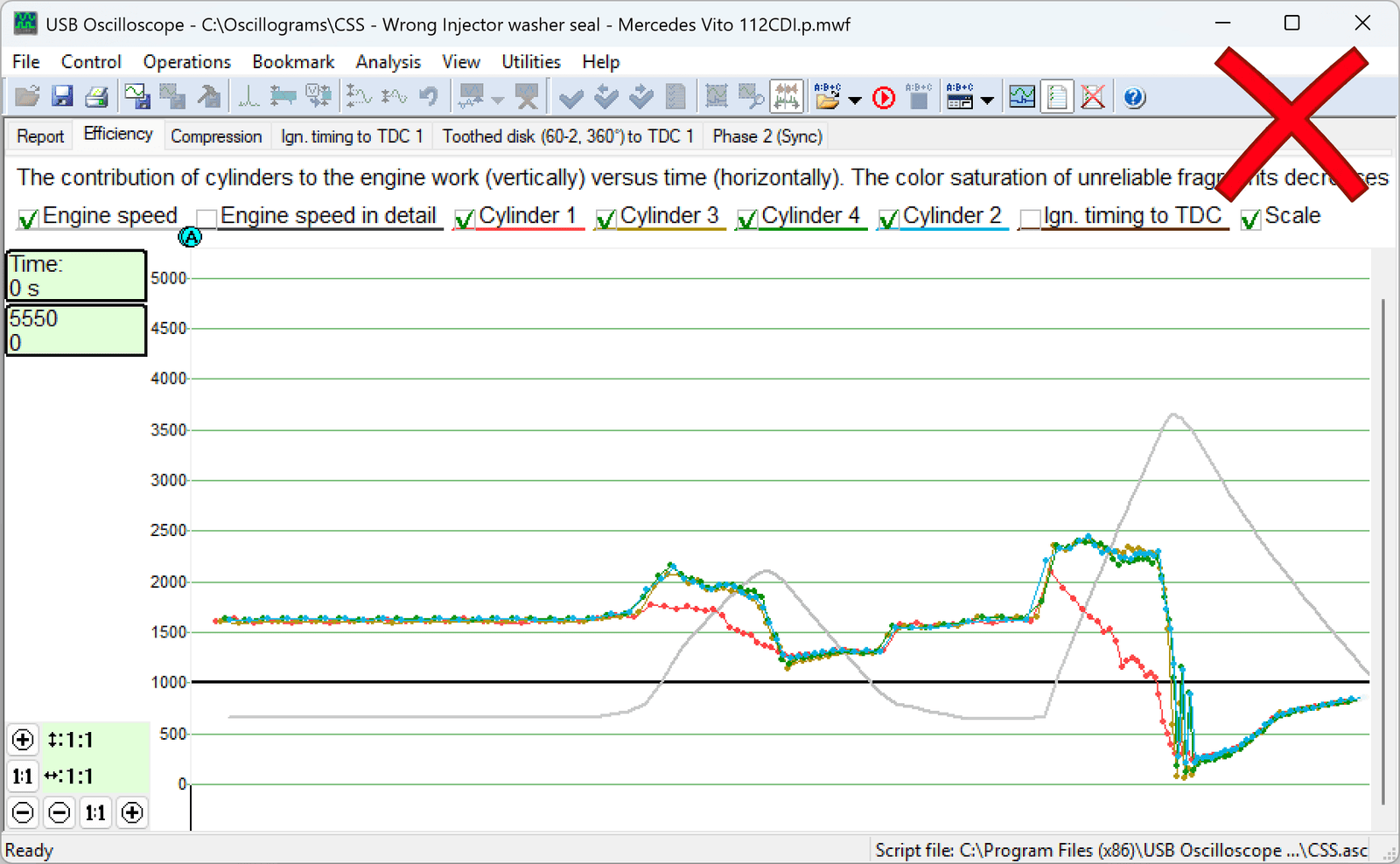
Figure 5. On this car, a wrong sealing washer was installed under the injector after repair. The first cylinder was misfiring.
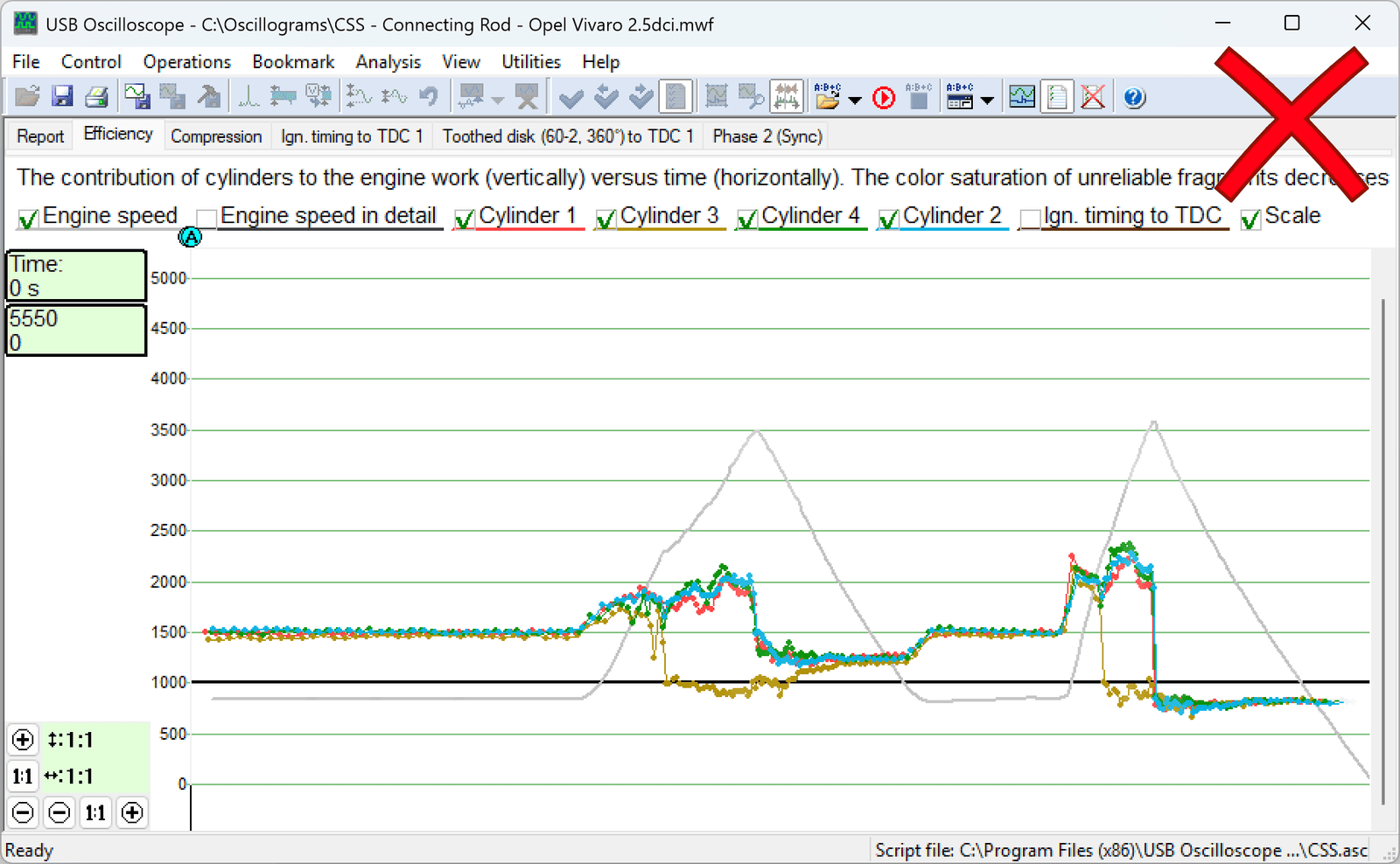
Figure 6. On this car, the connecting rod of the third cylinder was bent due to a hydraulic shock. The contribution of this cylinder in some modes was very low
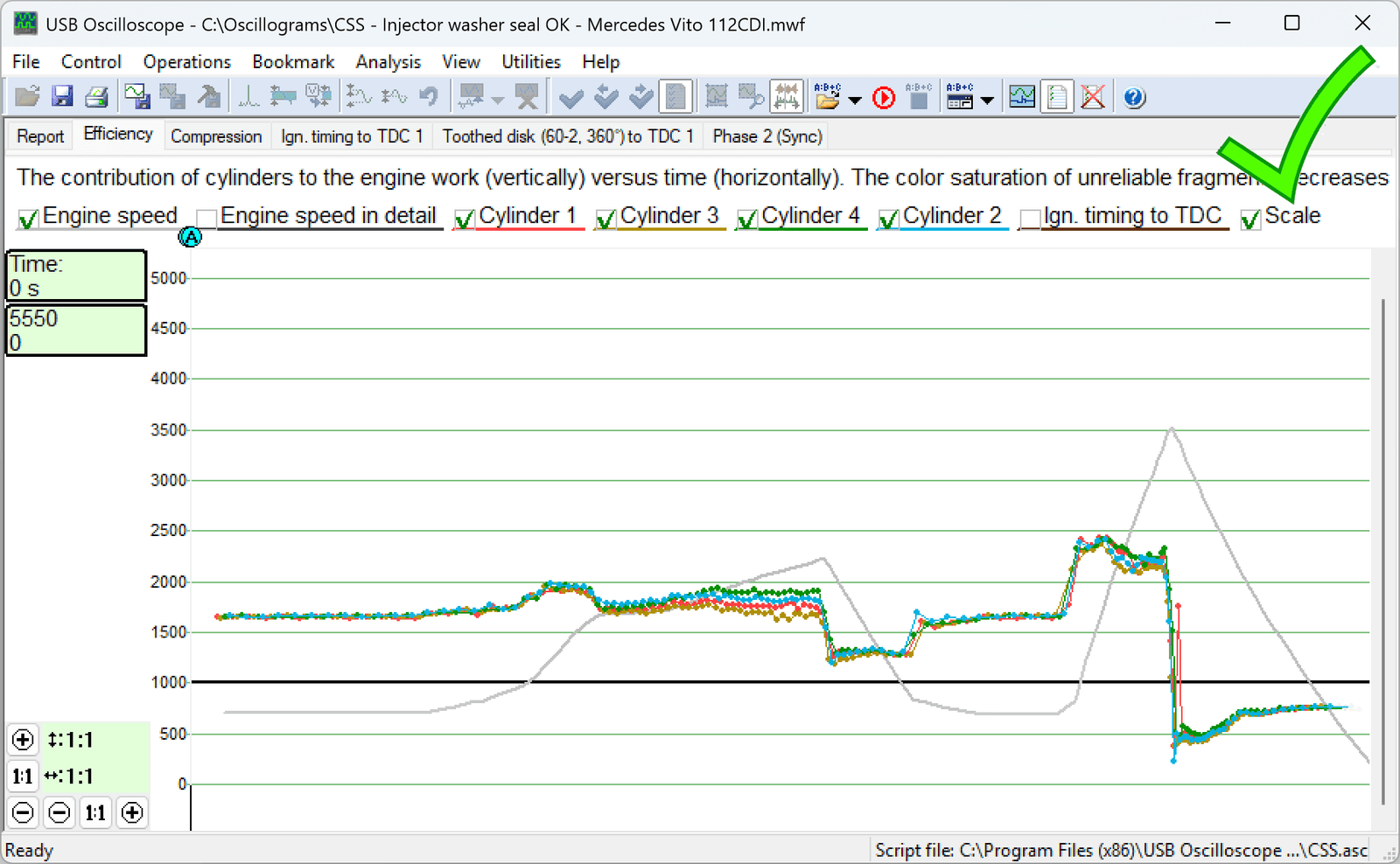
Figure 7. Diesel engine operation after high-quality repair. Cylinder contribution/balance at different engine speeds is almost the same.
3. Testing the engine synchronization between Camshaft and Crankshaft sensors and diagnosing engine valve timing
These measurements are necessary if the engine cannot be started. These are the main signals for the control unit of a modern car.
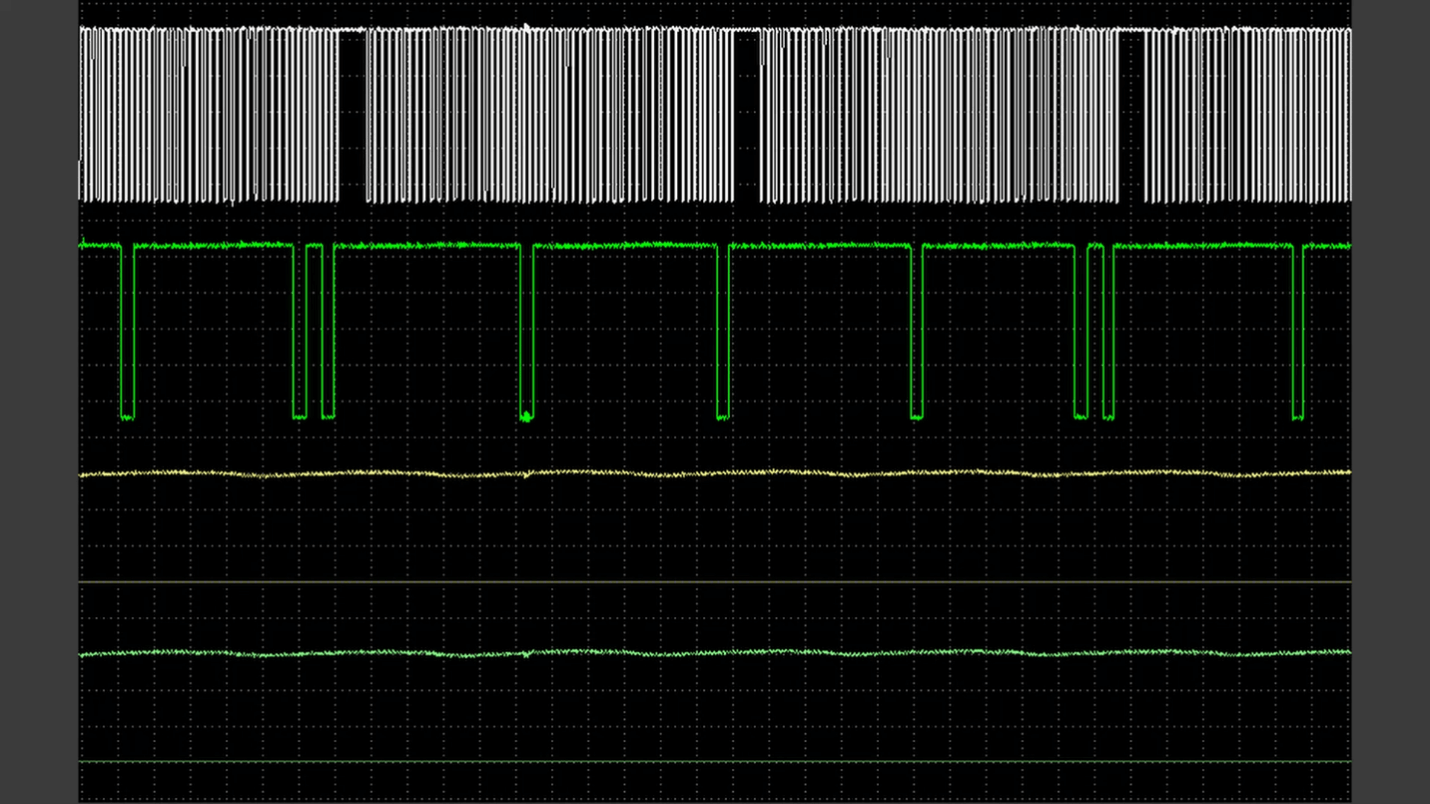
Figure 8. Crankshaft sensor & Camshaft sensor signals
Both Crankshaft sensor and Camshaft sensor signals are present. There is no control of the fuel injectors.
The presence of these signals and their correct synchronization are the main ones for the ECU in controlling the fuel injection pulse.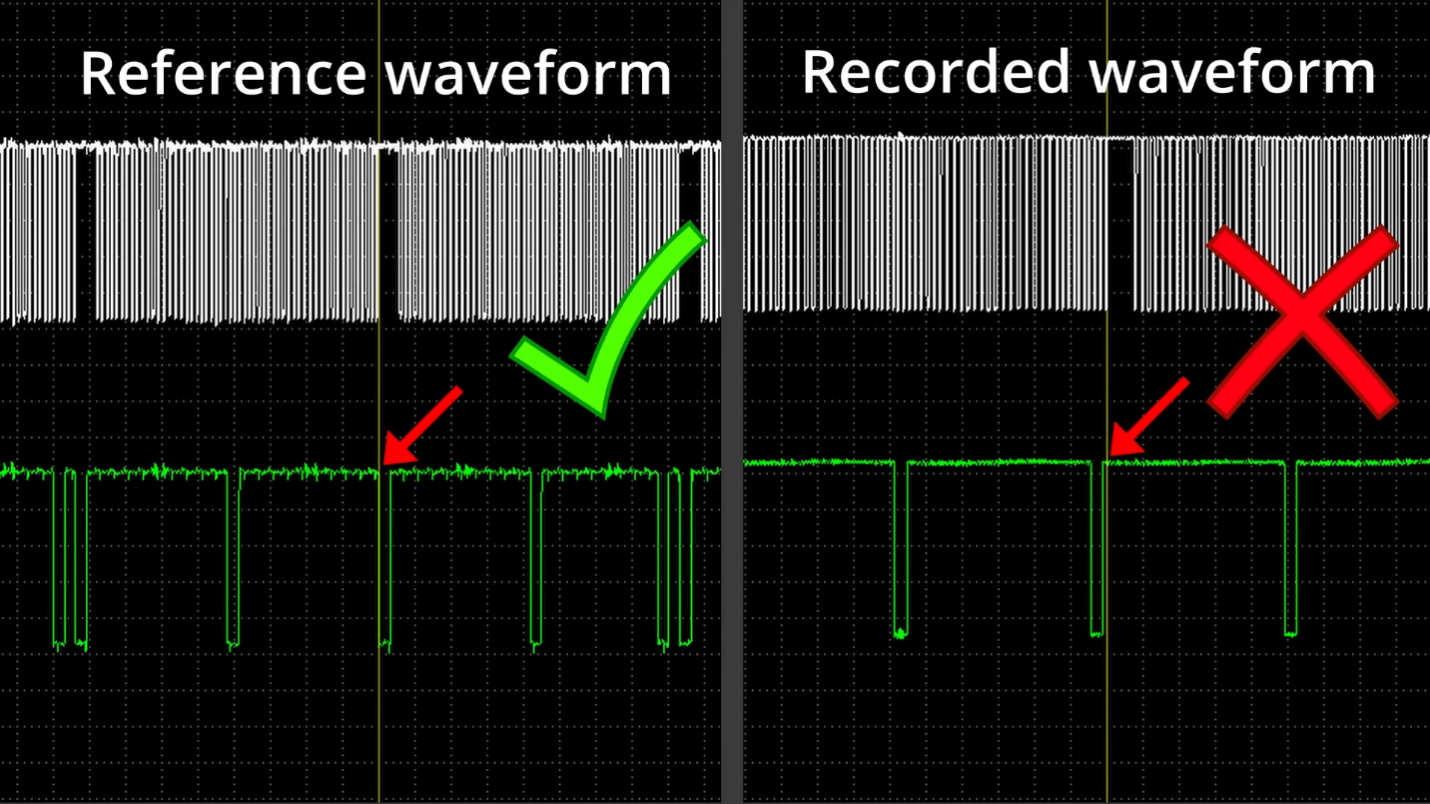
Figure 9. Incorrect positioning of the gear or camshaft disc
In many manuals, manufacturers provide reference signals for each specific engine. Some of this information is on the website: forum.injectorservice.com.ua
4. Diagnostics of electromagnetic injectors (piezo injectors) using the CTi-50 current clamp
This information is useful in case of replacement (or repair) of diesel injectors and their reprogramming. To do this, it is necessary to attach CTi-50 current clamps to the control pulse wire on the injector connector.

Figure 10. Attachment of CTi-50 current clamps to the control wire on the injector
It should be noted that the design of the measuring part of the CTi-50 current transducer is specially made for such measurements.
The duration of the injection pulse can be used for estimation the injection corrections in the control unit.
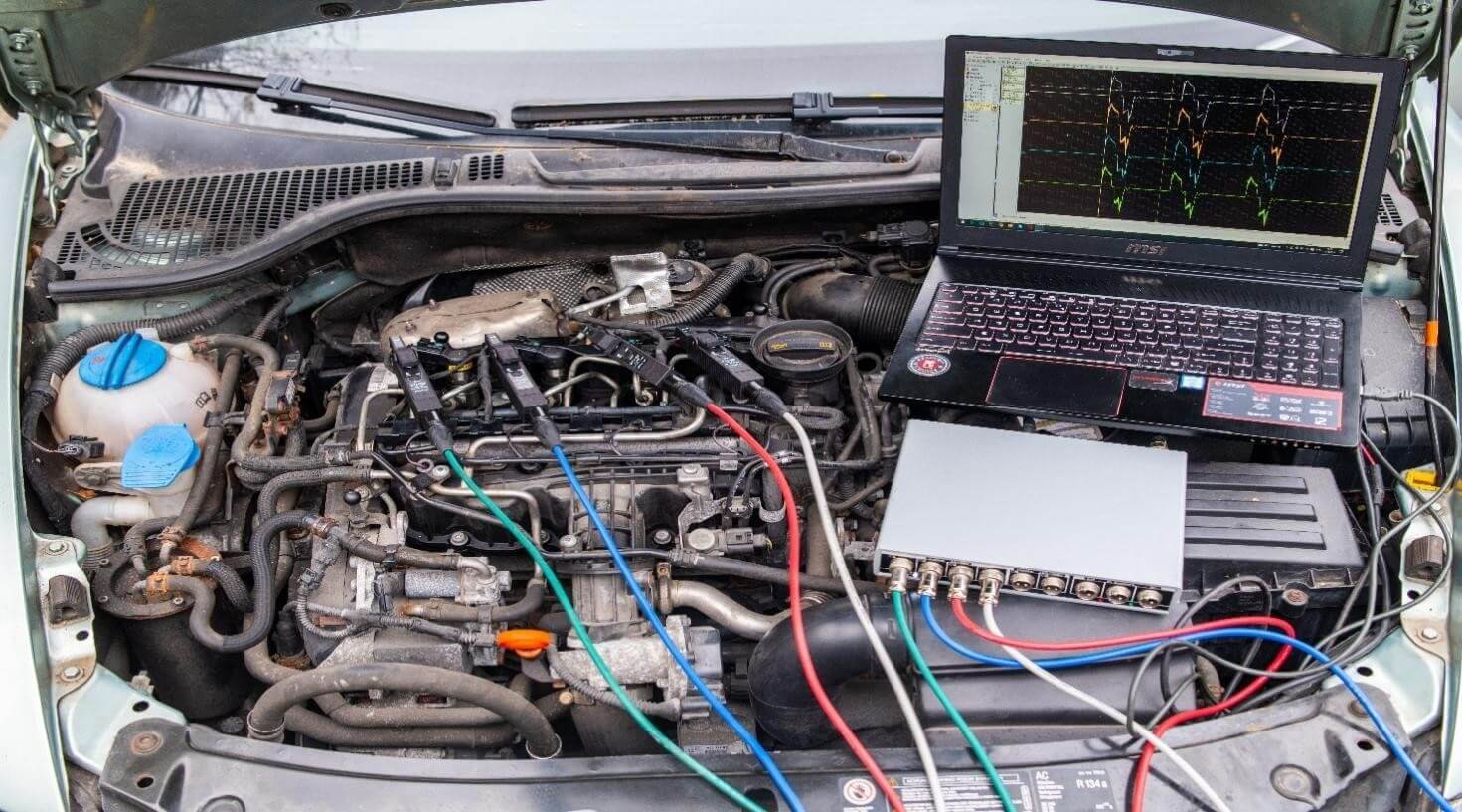
Figure 11. Connection of the CTi-50 current clamps
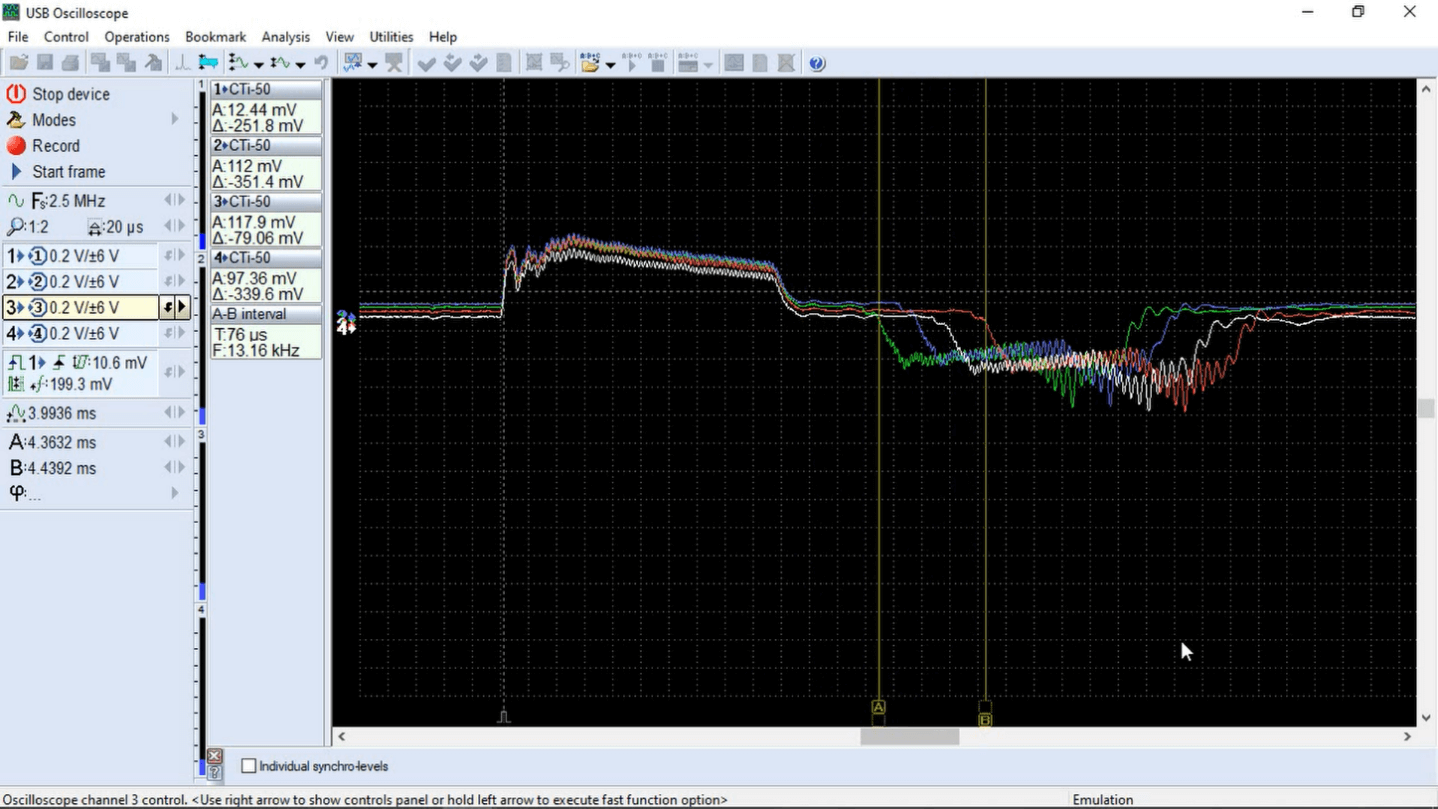
Figure 12. Control signals of faulty injectors.
Here are shown the control signals of faulty injectors.
It is clear that there is a correction for fuel injection (different pulse durations).
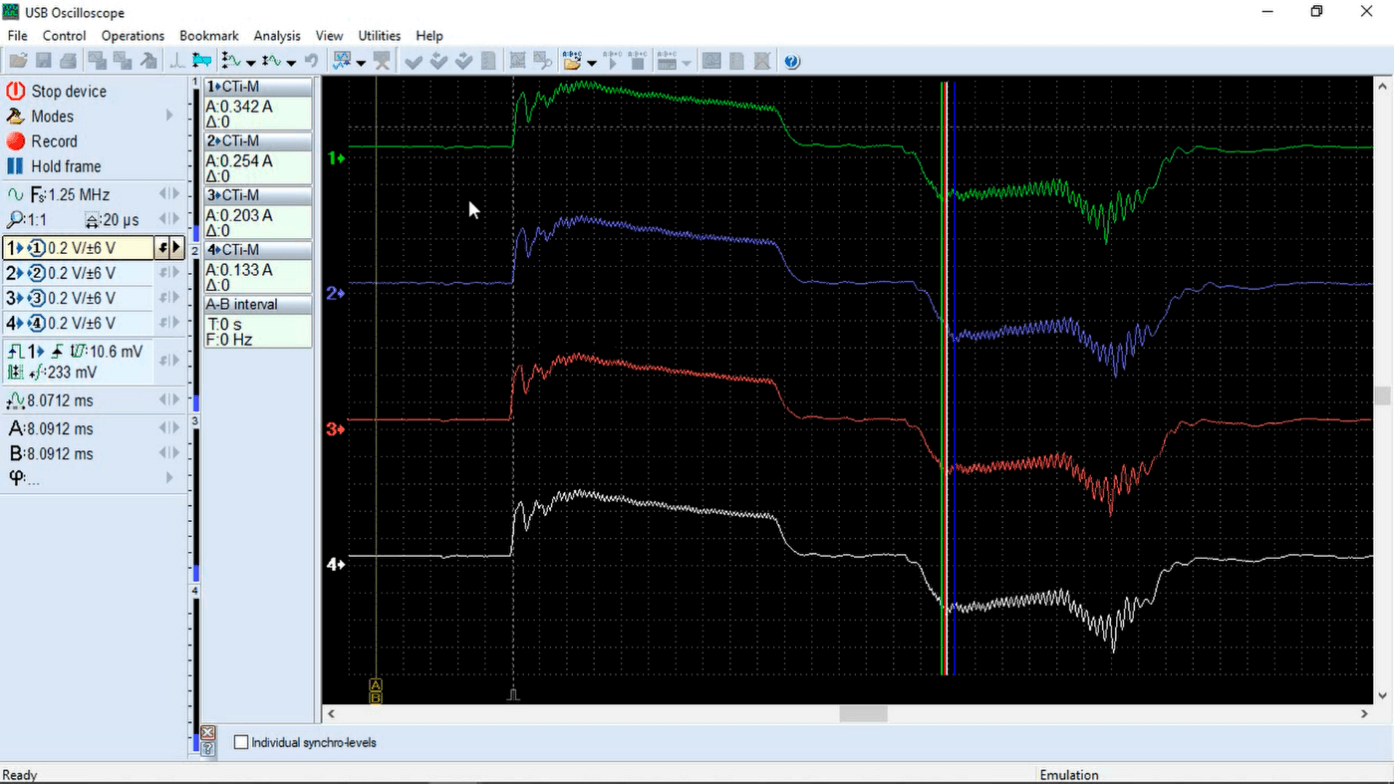
Figure 13. Control signal after replacement with new injectors
Control signal after replacement with new injectors. Minimal signal correction.
Control pulses of injector manufacturers Bosch, Denso, Delphi:
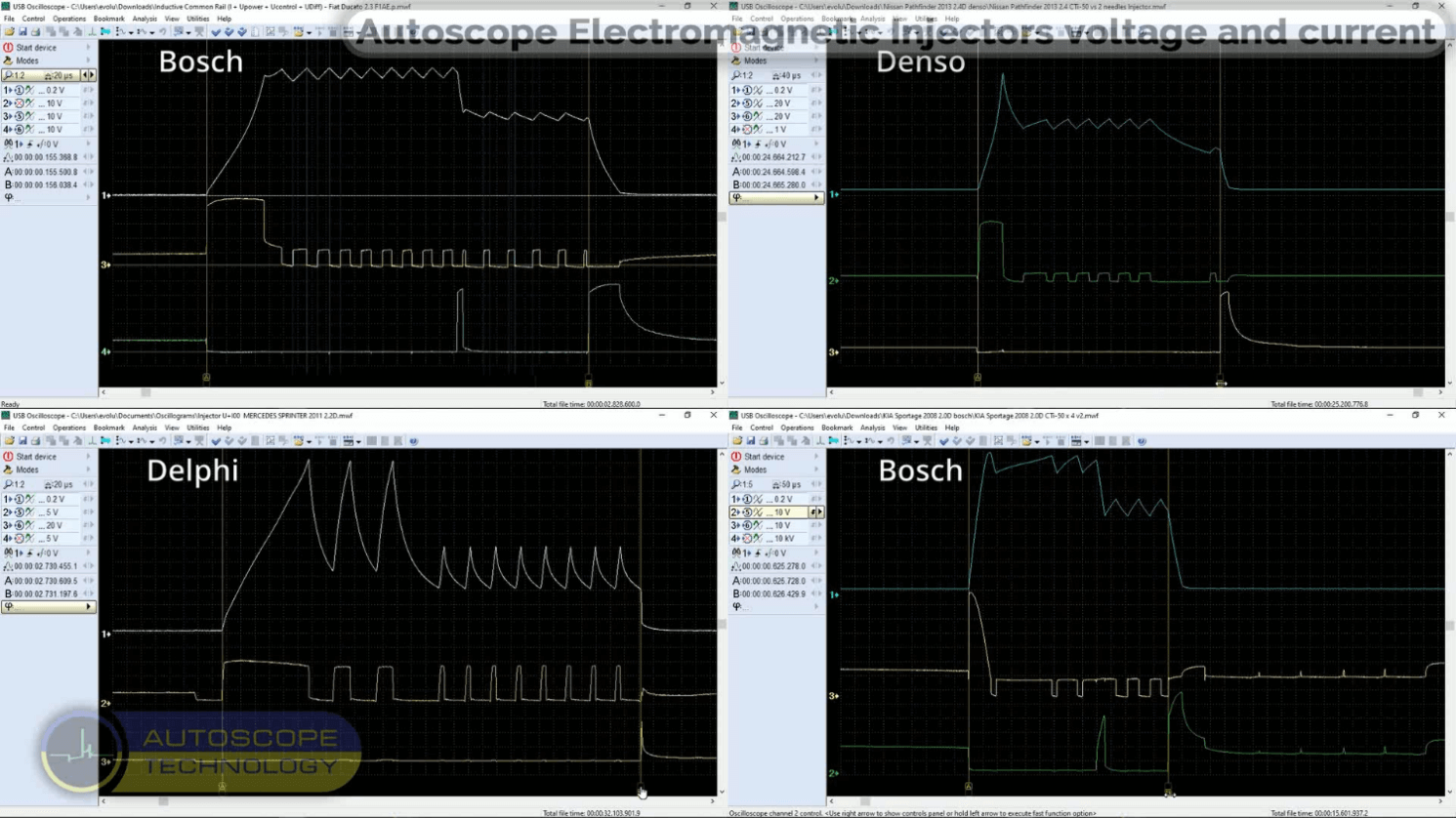
Figure 14. Example of the waveform of electromagnetic injectors
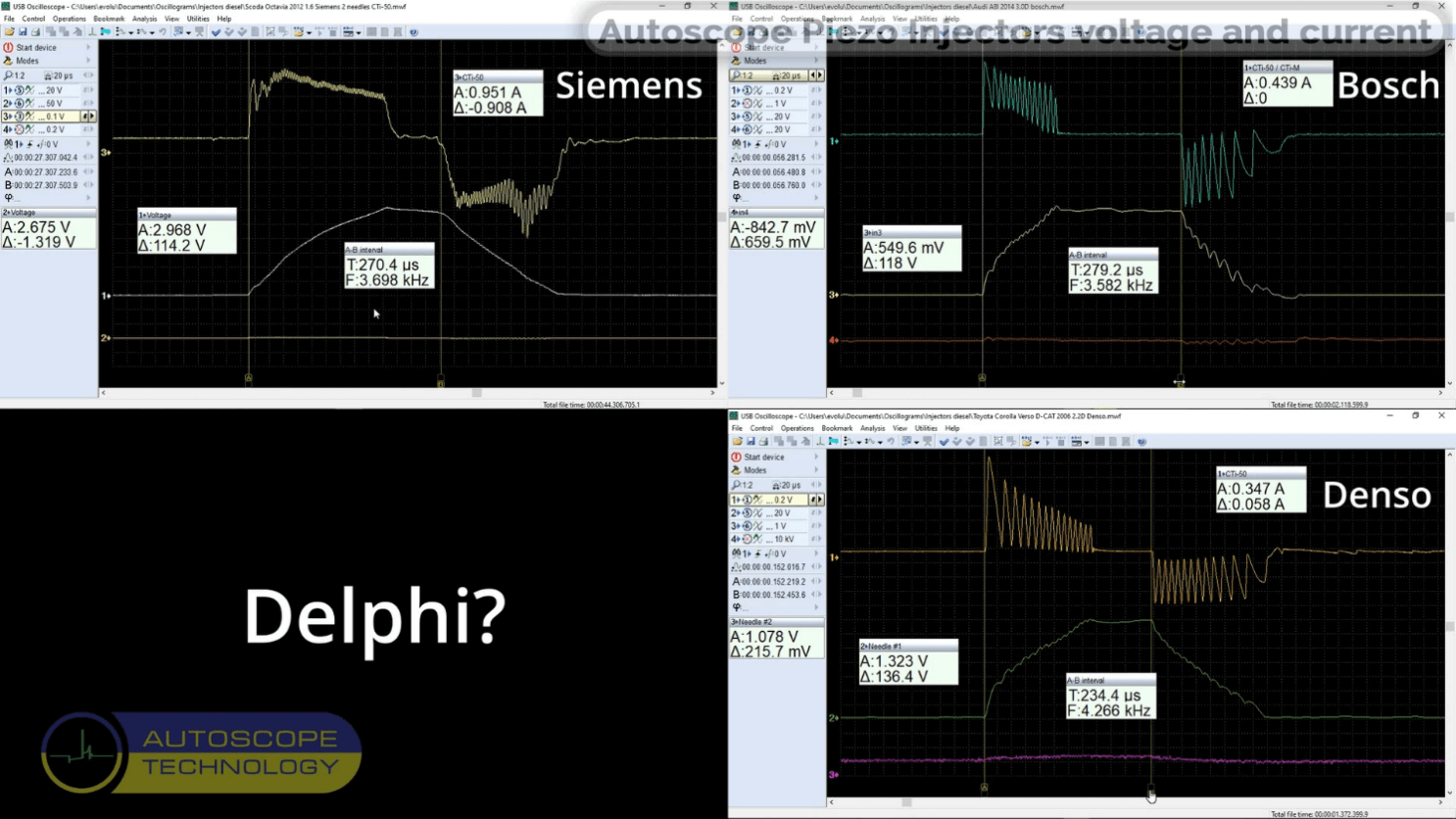
Figure 15. Example of the waveform of piezo injectors
5. Engine diagnostics based on the cylinder pressure graph using the PSG200 diesel pressure sensor
The pressure graph in the cylinders of a running diesel engine was, until recently, impossible for service center technicians. Standard pressure sensors are not designed for such measurements. A solution to this problem was proposed by BERU. They developed new glow plugs with built-in PSG pressure sensors.

Figure 16. PSG200 diesel pressure sensor
PSG200 pressure sensor waveforms provide valuable data for identifying complex faults in diesel engines. In addition, they help technicians gain a deeper understanding of the processes occurring in the engine cylinder, which allows for faster and more accurate diagnostics.
Using four diesel engine pressure sensors allows estimating the contribution / balance of all cylinders simultaneously.
The resulting pressure graphs contain information about the combustion process of the fuel mixture, which depends on:
- Engine temperature
- Compression ratio
- Compression
- Fuel atomization quality
- Correct positioning of the injector nozzle in the combustion chamber

Figure 17. Connecting pressure sensors instead of glow plugs
Each sensor must have its own amplifier. Article, examples of diesel pressure transducer use.
As a result, technician has the opportunity to see and compare pressure graphs in the cylinders of a running engine.

Figure 18. Graph of pressure in the cylinders of a running engine
6. Adapters for the pressure sensor PSG200
To work with the pressure sensor, it is necessary to use special adapters:

Figure 19. Results of compression measurement
These adapters must be installed in place of the glow plugs.
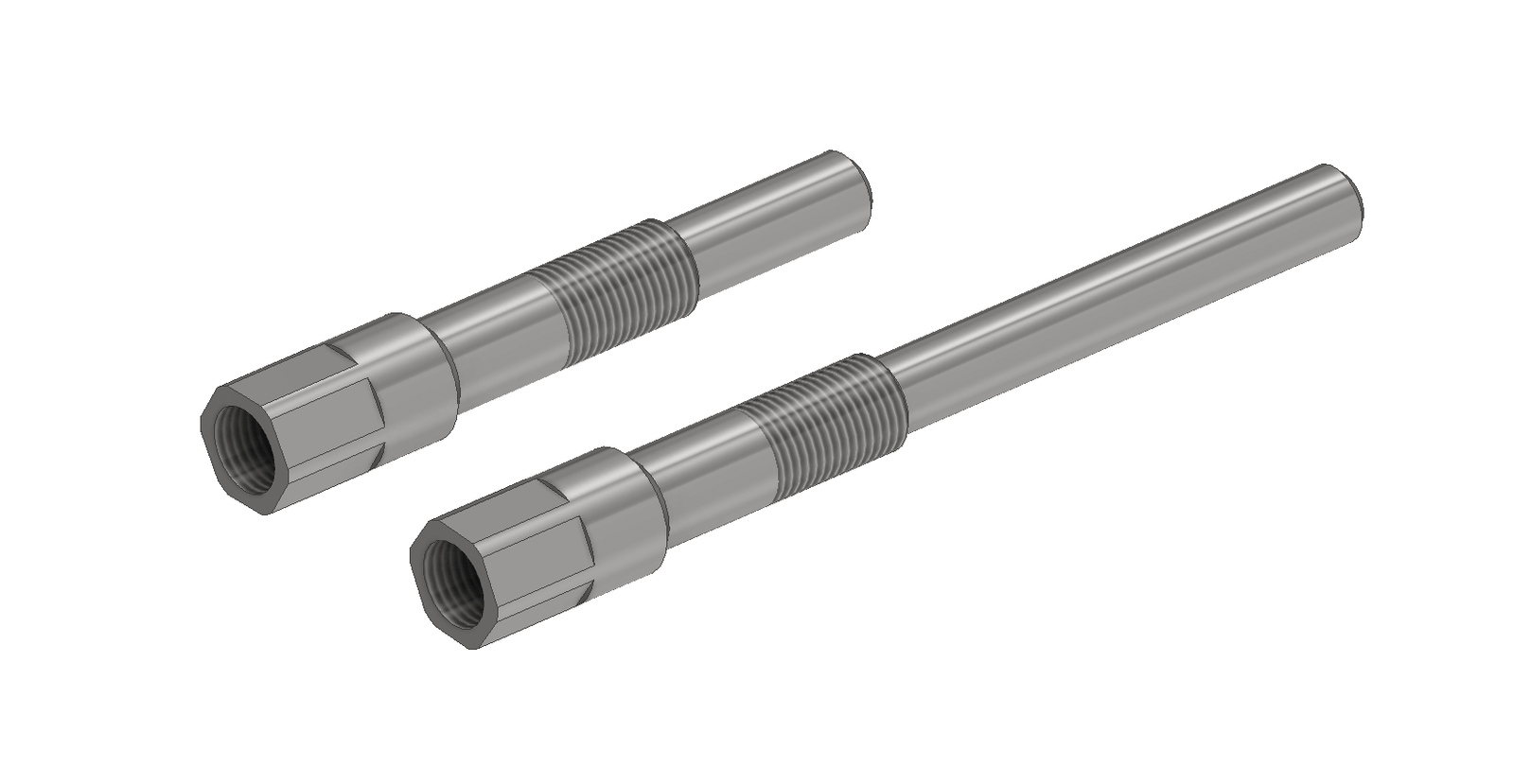
Figure 20. Adapters for diesel pressure sensor
For a high-quality analysis of the pressure graph, it is necessary to install the sensor as close as possible to the combustion chamber.
7. Diagnostics of diesel injection systems with a mechanical high-pressure fuel pump using clamp-on PD-6 piezo transducer
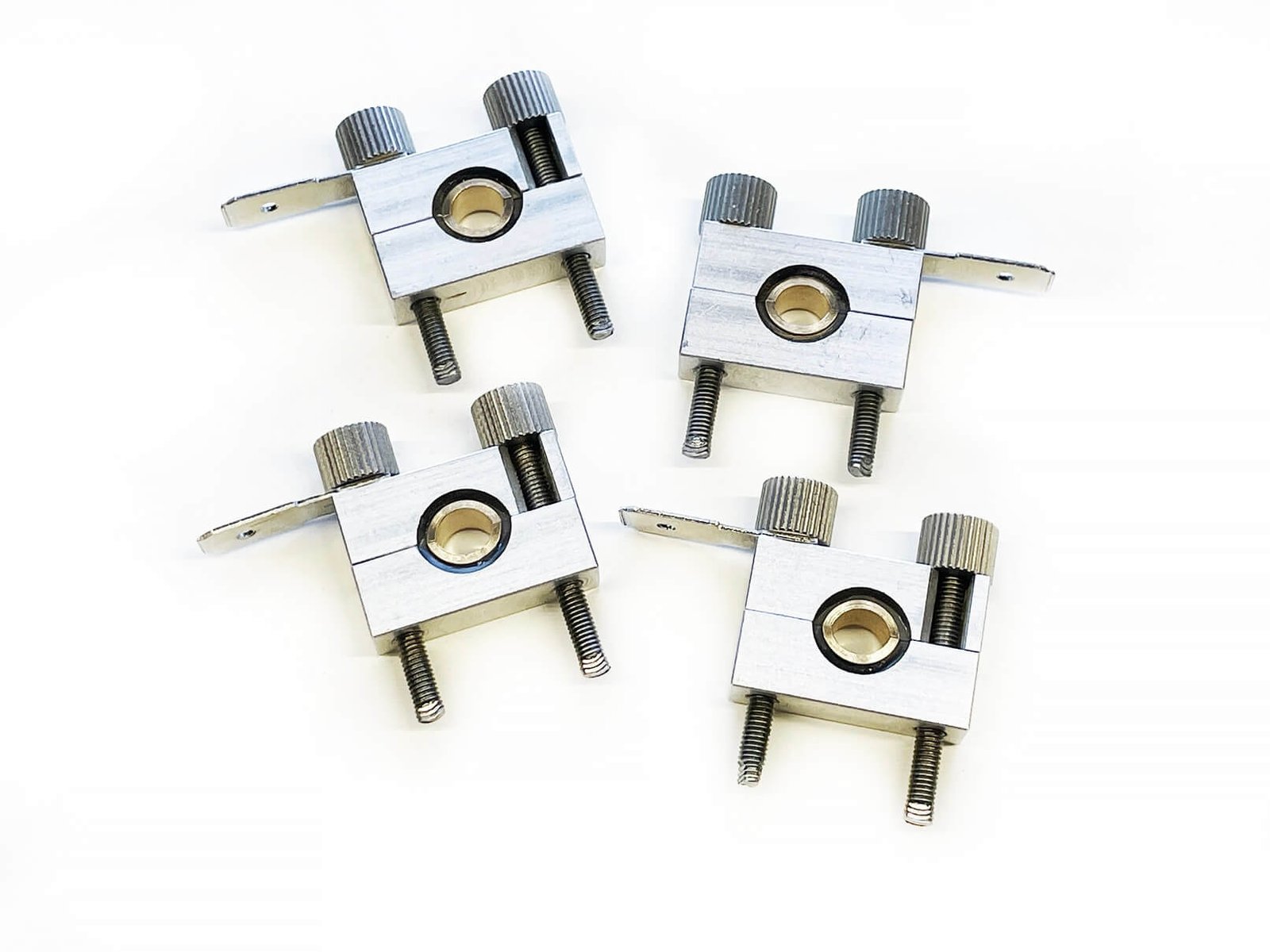
Figure 21. PD-6 piezo transducers
The PD-6 sensor is designed for installation on the high-pressure fuel line of diesel engines with a diameter of 6 mm, the injectors of which are not equipped with electronic control.
1. Car diagnostics using the CSS script
The sensor signal is used to perform complex diagnostics of the diesel engine and its control system using the CSS script.
Piezoelectric transducer is necessary to ensure the possibility of receiving a synchronization signal with the moment of fuel injection in the cylinder #1.
The signal from the transducer must be fed to the oscilloscope input using Piezo Amplifier charge amplifier.

Figure 22. Installing of a piezo sensor on the fuel line of the first cylinder
Clamp sensors should be mounted on a flat section of the tube as close as possible and at the same distance from the injectors.
2. Using a piezo transducer to evaluate fuel injection pulses
By the nature of the fuel injection pulse, it is possible to evaluate:
- condition of fuel injection sprayers
- condition of fuel injection pump delivery valve
- volume of fuel of the main injection and mechanical pre-injection
More detailed information is available in the book Diesel diagnose by Hubertus Gunther.

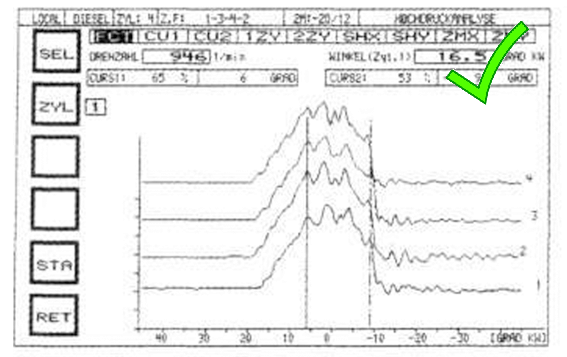
Figure 23. Injection pressure curves for a four-cylinder swirl-chamber engine with pintle-nozzle injectors (Volkswagen 1.9D): start of injection for all injectors — 6° of crankshaft rotation angle before TDC; end of injection — 9° of crankshaft rotation angle after TDC; injection duration — 15° of crankshaft rotation angle
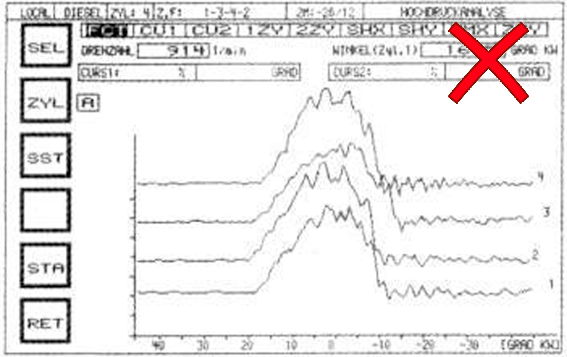
Figure 24. Reducing the injector opening pressure from 130 to 100 bar in the third cylinder
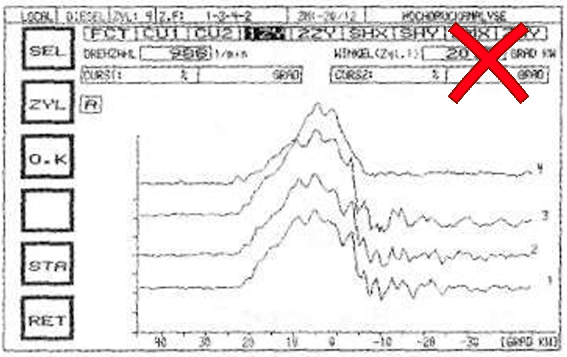
Figure 25. Insufficient sealing of the injection sprayer in the fourth cylinder
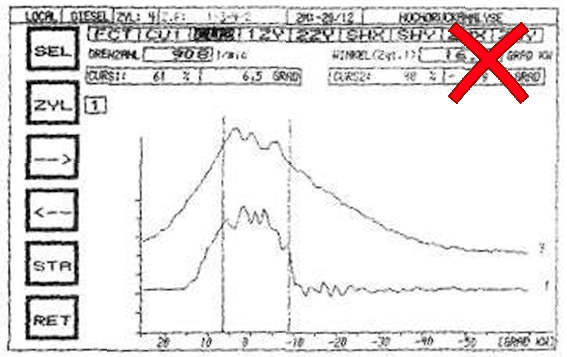
Figure 26. The delivery valve in the fuel equipment of the third cylinder is leaking, the residual pressure is zero
3. Using the PD-6 sensor for the operation of diesel stroboscopes.
This information is necessary for correct fuel injection timing using Diesel timing analyzer.
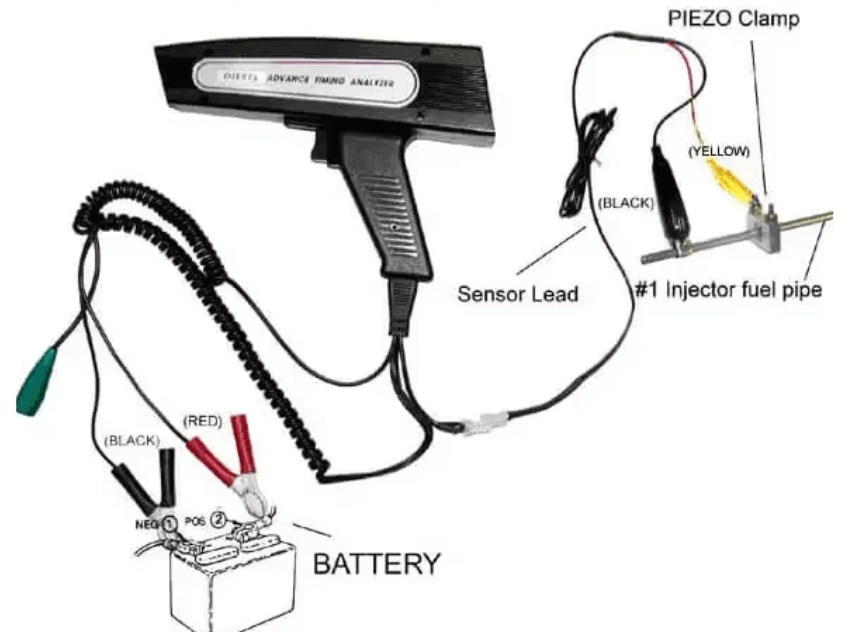
Figure 27. Diesel timing analyzer
4. Using PD-6 piezoelectric transducers on diesel test benches during repairs and adjustments of high-pressure fuel pumps
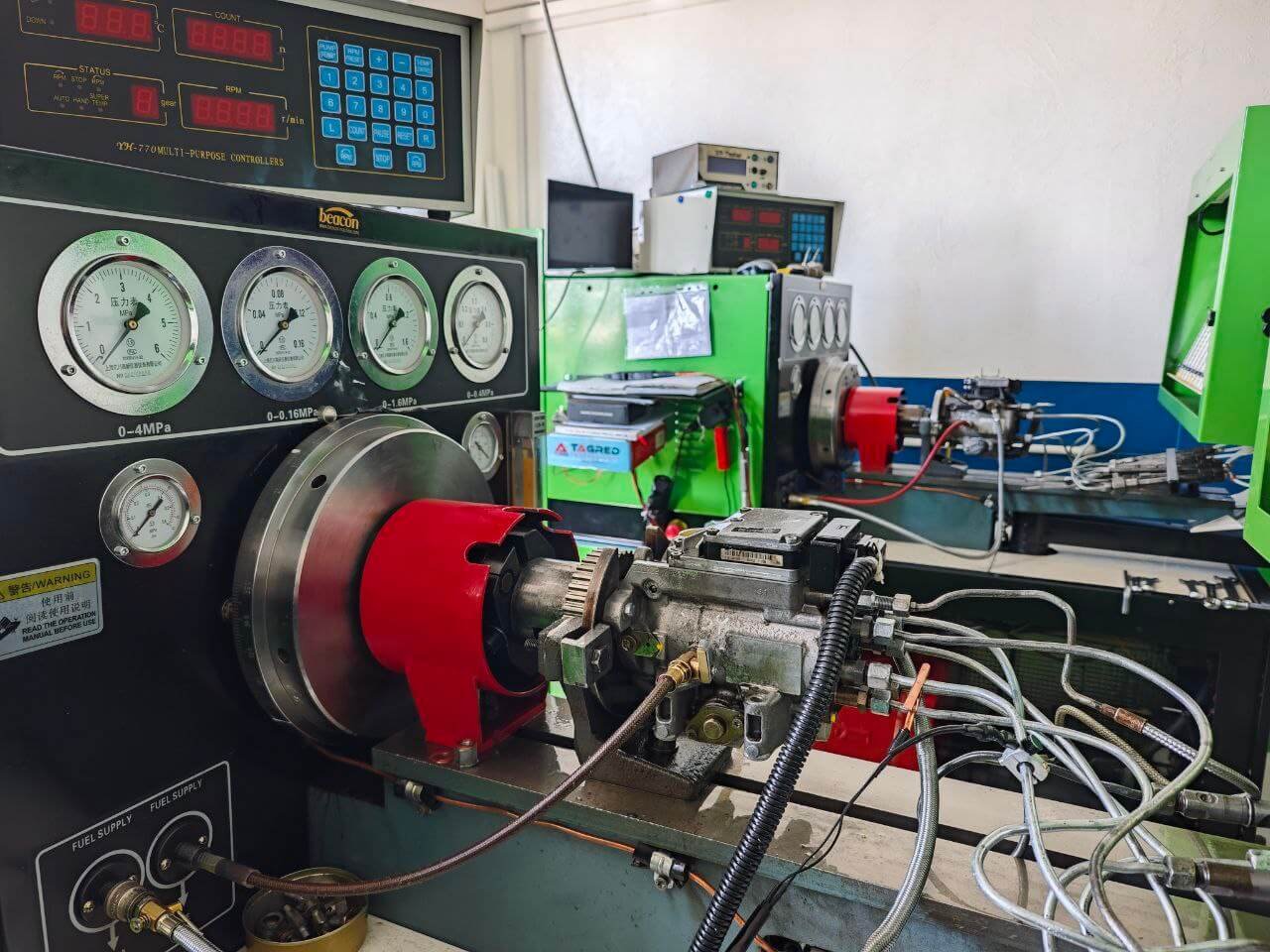
Figure 28. Fuel injection timing control on a fuel injection pump testing bench

Figure 29. Installation of piezo transducer
8. Best Forum with dedicated section about diesel engine diagnostics
You can visit the forum.
9. Library of CKP and CMP signals synchronization of diesel engines
You can visit this link.
Conclusion
The diagnostic methods developed by Autoscope Technology allow for diagnostics of various diesel engine faults with minimal time and effort.
USB Autoscope technologies offer a powerful and efficient solution for diagnosing a wide range of diesel engine problems. From quick-start analysis with the ElPower script to in-depth cylinder pressure and injector diagnostics, these tools allow technicians to pinpoint faults without invasive procedures.
The ability to test CKP/CMP synchronization, fuel injection quality, and mechanical system integrity using advanced sensors and scripts significantly reduces diagnostic time while increasing accuracy. Whether in a repair shop or during field service, USB Autoscope equips professionals with the insights needed for reliable diesel engine maintenance and repair.