
Diagnosing diesel Nissan 1.5dCi K9K engine
Introduction
This Nissan was towed in to our shop as a no-start. The engine stalled while driving and would not restart. This particular vehicle uses an engine from Renault, the 1.5dCi K9K. It uses a Siemens fuel system, but not diesel particulate filter on the base model. The engine does use a catalytic converter.
Scanning the vehicle revealed DTCs (Diagnostic Trouble Codes) as listed in Table 1.

Table 1. DTCs displayed by the scan tool
DTC P0087 indicates that there is no pressure in the fuel rail. After priming the fuel system, pressure did appear, but the engine still does not start, it acts like it is trying, but is not quite making it.
I remove the protective cover over the injectors. Because the pipe from the turbo to the intake is in the way, I remove it as well. Now the engine starts! However, the engine is not running well and exhaust is being expelled from the intake. I remove the oil filler cap to find that there is pressure in the crankcase. Oil and smoke is coming from the opening for the oil filler cap. Normally this indicates a piston with a hole in it or broken piston rings at the very least. I go ahead and test for that.
Relative compression test
I connect my automotive oscilloscope called USB Autoscope to test the relative compression using a current transducer. To perform the test I clamp my APPA32 high amp current transducer around the negative battery cable. Then I disconnect the injectors and connect an injector simulator to the connector for number one injector. The simulator is a piezoelectric element removed from a faulty injector. A second low amp current transducer model CA60 is clamped around one of the injector wires going to the simulator. The signal from this transducer is used for synchronization.
According to Figure 1 there is not much wrong with the relative compression. The current increase or delta is about 90 A when the pistons are coming up on compression. There is a slightly larger delta in cylinder number 2, but not very significant. The other cylinders are similar to each other.
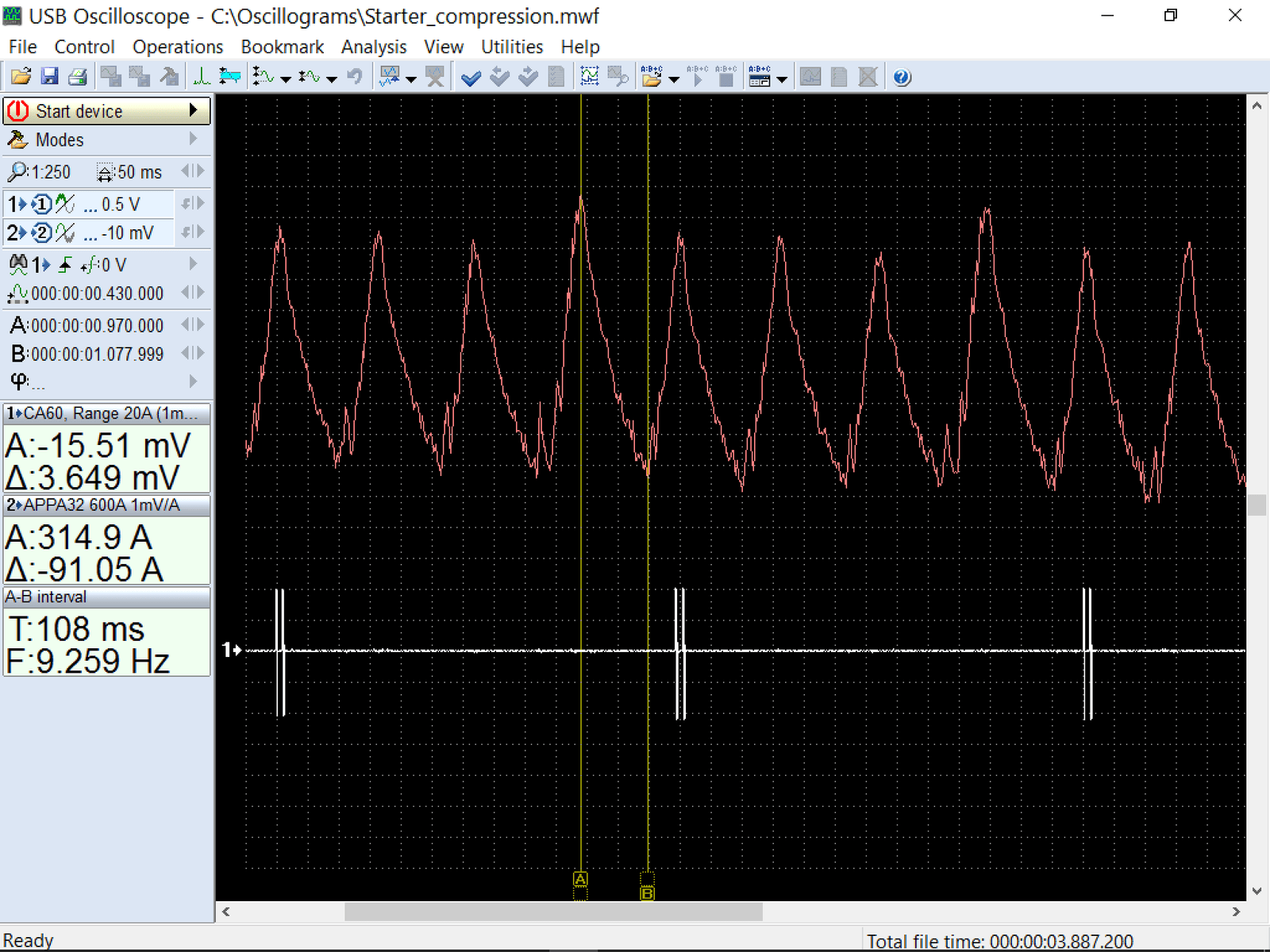
Figure 1. Relative compression test
However, why is the engine experiencing a backflow of exhaust gases? Since the glow plugs are easy to access on this engine I decide to perform an absolute compression pressure test as well. For this test I use the px35 pressure transducer.
Compression pressure test
Figure 2 shows the pressure sensor attached in place of a glow plug.
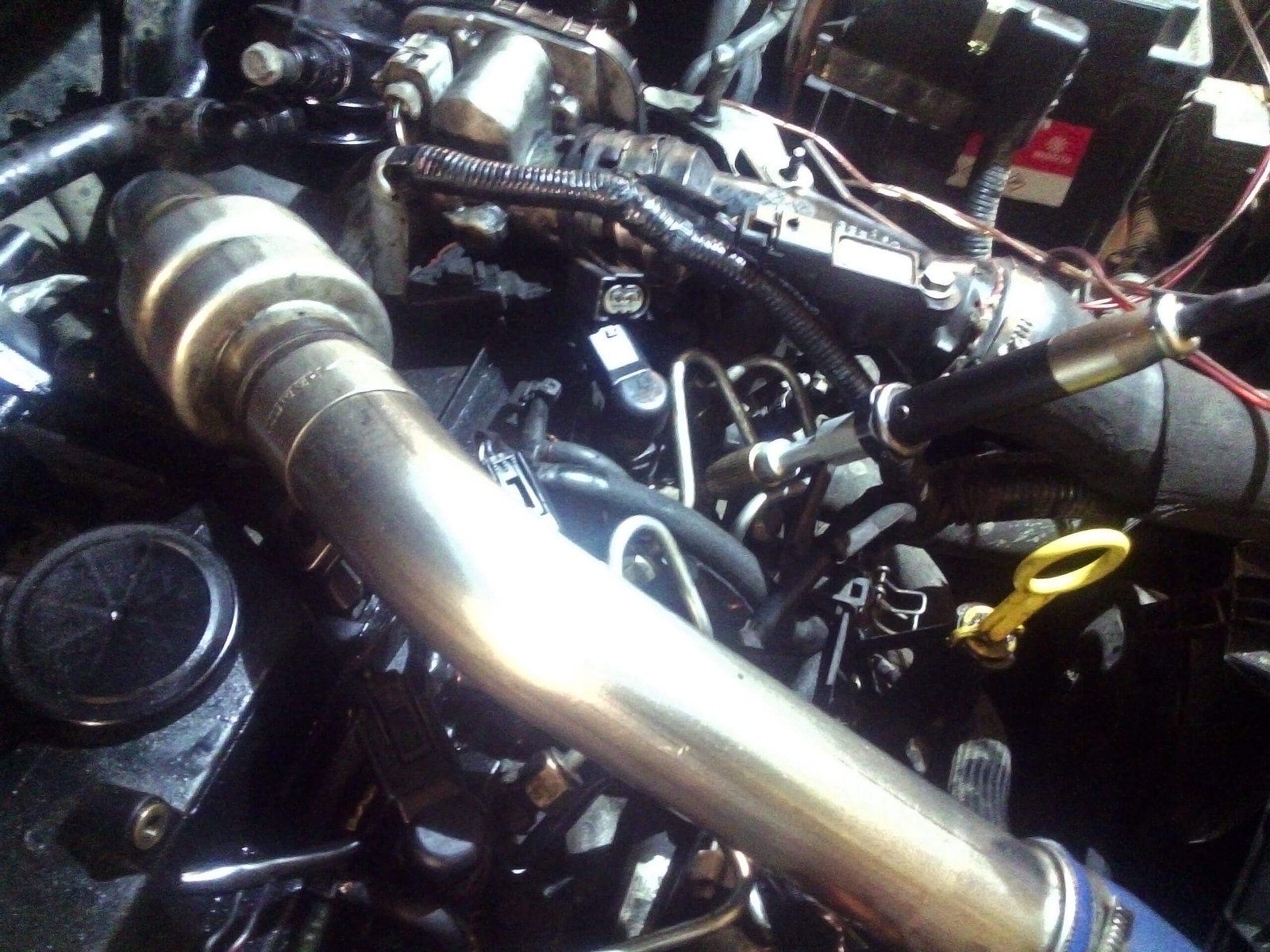
Figure 2. Using a pressure sensor to perform an absolute compression pressure test
The results are as follows:.
- Cylinder #1: 21.7 Bar (314.65 psi)
- Cylinder #2: 22.8 Bar (330.6 psi)
- Cylinder #3: 21.8 Bar (316.1 psi)
- Cylinder #4: 21.5 Bar (311.75 psi)
When taking into account the slight pressure loss from using an extension on the transducer, the compression is normal. Cylinder #2 has slightly more pressure compared to the others. This confirms the results from the relative compression test.
Figure 3 is the pressure waveform from one of the cylinders and there is an anomaly that warrants further investigation.
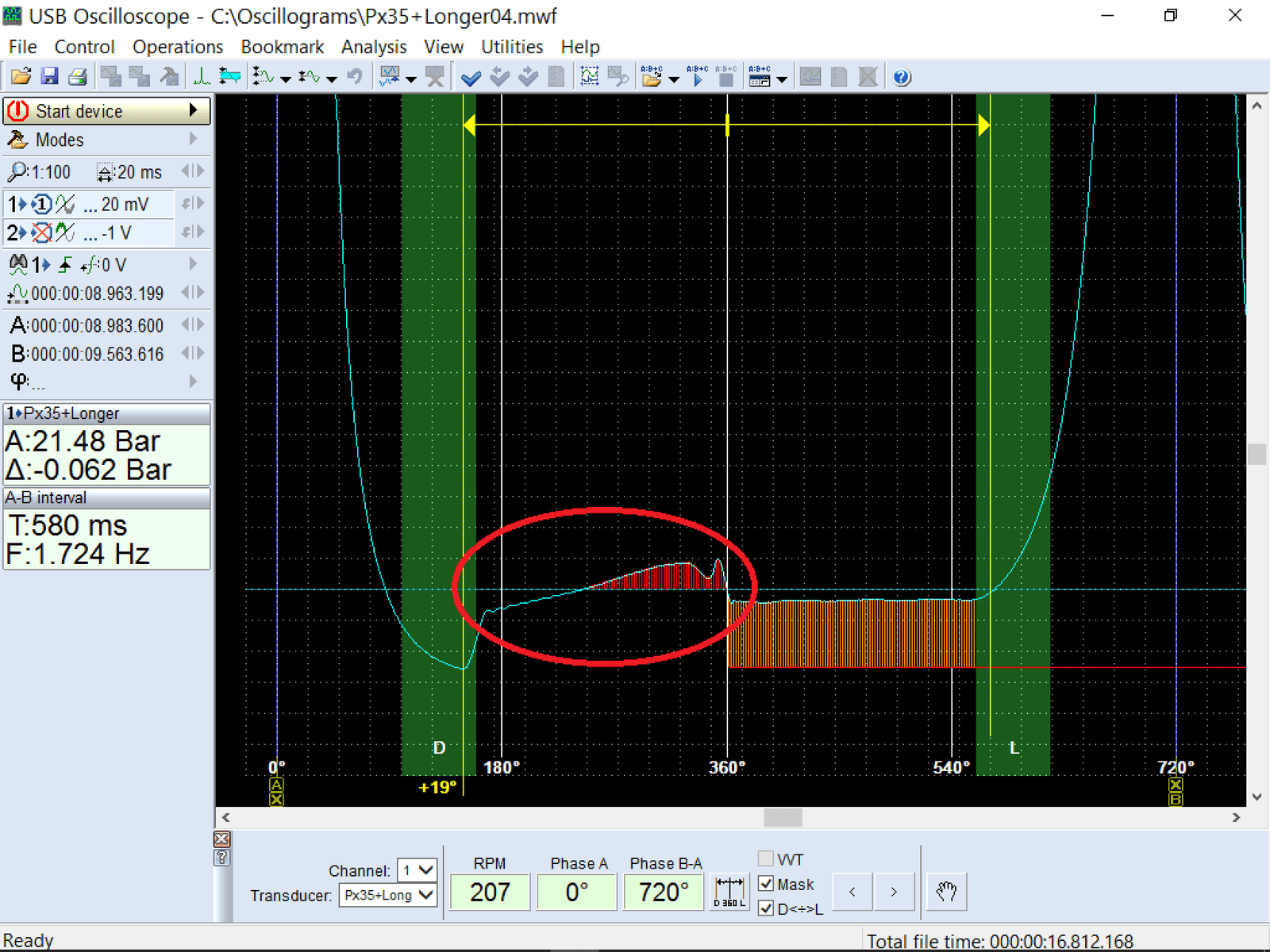
Figure 3. Pressure waveform showing an anomaly
The inclined line on the exhaust stroke on a typical diesel engines is normally not seen, the line should be horizontal. The incline suggests a pressure rise in the cylinder on the exhaust stroke.
Figure 4 shows the pressure waveform in a cylinder at idle. To obtain this waveform I restored the injector connections for 3 of the cylinders and left the pressure transducer in the 4th cylinder.

Figure 4. Cylinder pressure waveform at idle
The waveform clearly shows a significant exhaust back pressure. There is about 2 Bar or almost 30 psi backpressure in the cylinder. The cylinders cannot expel the exhaust. The problem is most likely a literally completely blocked exhaust system. The customer did call a while back and complained about an intermittent loss of power, but did not have time to bring the vehicle in for us to diagnose the problem.
Conclusion
Figure 5 shows that the problem was cause by a failed turbocharger. The turbine had jammed and was blocking the exhaust. A new turbo was installed, but did not 100% cure the problem. The engine still seemed low on power and another backpressure test was performed. The result indicated that there still was some backpressure present.
The catalytic converter was replaced and normal engine performance was restored.
Most likely the partially clogged catalytic converter caused excessive exhaust temperatures which in turn caused the turbocharger to fail. Always look for the root cause!

Figure 5. Locked up turbocharger.
Authors:
Oleg Malin
Vasyl Postolovskyi
Olle Gladso